

How to Make Brushing Fun for Kids (Even the Reluctant Ones)
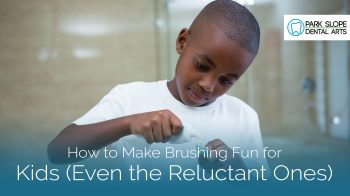 If you’re a parent, you probably know the struggle: you announce it’s time to brush teeth, and suddenly your child has a hundred other things they’d rather do. Brushing battles are common, especially with toddlers and young children, but they don’t have to be a daily fight. At Park Slope Dental Arts, we understand that kids see the world differently, and that includes their attitude toward dental care. That’s why we’re passionate about helping parents turn brushing into something fun, engaging, and comfortable.
Let’s explore why kids resist brushing, and more importantly, how you can transform this daily routine into a positive experience that sets the foundation for lifelong healthy habits.
Why Kids Resist Brushing
Children resist brushing for many reasons, and most of them are completely normal:
- It feels boring or repetitive – Kids naturally crave novelty and play, so the idea of brushing twice a day for two minutes can feel like a chore.
- They want independence – Saying “no” is often their way of asserting control, especially around routines.
- Sensitivity – Some kids dislike the feeling of bristles, the taste of toothpaste, or the sensation of water in their mouth.
- Lack of understanding – It’s hard for little ones to connect the dots between brushing now and preventing cavities in the future.
“We tell parents all the time, if your child resists brushing, you’re not alone. The key isn’t to push harder but to reframe brushing as something playful and empowering,” adds Dr. Edward Lee, DMD, at Park Slope Dental Arts.
Tips to Make Brushing Fun
The best way to win the brushing battle is to make it feel less like a rule and more like an adventure. Here are strategies that parents in Brooklyn (and beyond) have found helpful:
-
Turn It Into a Game
Kids love games, and turning brushing into one can make it instantly more exciting. You might:
- Pretend your child is a superhero fighting “sugar bugs.”
- Create a countdown challenge, for example, “Can you brush all your teeth before the timer runs out?”
- Play “copycat” where they mimic your brushing movements.
By shifting the focus from a chore to playtime, you encourage consistency without the struggle.
-
Let Them Choose Their Toothbrush
Giving kids choices can help them feel more invested. A toothbrush with their favorite character, bright colors, or even a light-up handle can make brushing something they look forward to. Allowing them to choose their own toothpaste flavor (kid-safe, of course) can also make a difference.
3. Use Music or Timers
Two minutes can feel like forever to a child. Make it fun by:
- Playing a favorite song that’s around two minutes long.
- Using brushing apps or timers designed for kids (some even include animated characters).
- Having a mini dance party while brushing, with movement and laughter, makes time fly.
4. Reward Charts or Prizes
Positive reinforcement works wonders. A simple sticker chart can give kids a sense of accomplishment and motivation. For example:
- One sticker for every successful brushing session.
- A small prize (like choosing a bedtime story or extra playtime) after a full week of consistent brushing.
How to Model Good Brushing Behavior
Children learn by watching. If they see you treating brushing as an important part of your day, they’re more likely to follow suit. Try brushing alongside your child so they can copy your technique. Show enthusiasm, smile, laugh, and make it clear that brushing isn’t just necessary, it’s enjoyable.
Parents who demonstrate healthy habits send a powerful message: “This is something we all do because it keeps us healthy and strong.” Over time, kids internalize that message and are more likely to brush without reminders.
When to Involve the Dentist
Even with the best routines at home, some kids still struggle with brushing. That’s where we come in. At Park Slope Dental Arts, our pediatric specialists are here to support families, offering guidance and encouragement to make oral care easier.
You should consider involving the dentist if:
- Your child consistently resists brushing despite trying different strategies.
- You notice early signs of cavities (such as spots or discoloration on teeth).
- Your child complains of tooth pain or sensitivity.
- You simply want professional tips tailored to your child’s unique needs.
Pediatric Dental Visits at Park Slope Dental Arts
We know that creating a healthy relationship with oral care starts early. That’s why our pediatric dentistry services are designed with children in mind, from the waiting room to the dental chair.
Here’s what families can expect at Park Slope Dental Arts:
- Specialized pediatric dentists – Dr. Cheryl Poon and Dr. Nancy Yu are trained to make children feel safe, comfortable, and even excited about their visits.
- Education for kids and parents – We don’t just clean teeth; we show children how to brush effectively and give parents practical advice for home care.
- Preventive focus – From fluoride treatments to sealants, we help protect young smiles from cavities before they start.
- A fun, supportive environment – Our goal is for kids to leave not just with healthier teeth but also with positive memories of the dentist.
By working together, we can help your child see oral care as a normal, enjoyable part of life, not a battle to be fought.
A New Way to Look at Brushing
Brushing doesn’t have to be the dreaded moment of the day. With a little creativity, patience, and support, parents can turn resistance into joy. At Park Slope Dental Arts, we’re here to partner with families in Brooklyn to make sure that smiles stay healthy and kids grow up seeing dental care in a positive light.
Ready to make brushing fun (and comfortable) for your child? Schedule a visit with Park Slope Dental Arts and let our pediatric team help your family build healthy, happy habits for life.
Disclaimer: The content of this blog is not intended to be a substitute for professional medical advice, diagnosis, or treatment. Always seek the advice of qualified health providers with questions you may have regarding medical conditions.