

What Your Smile Says About You (According to Science)
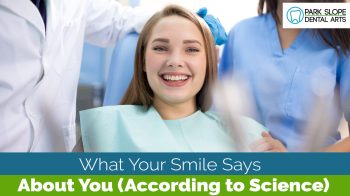 Your Smile Speaks Before You Do
Have you ever met someone and instantly felt comfortable around them? Or encountered someone who seemed confident and approachable before they even introduced themselves? Chances are, their smile played a significant role in shaping your first impression.
Before you say a word, your smile communicates a powerful message to the people around you. Researchers have found that humans form opinions about others within fractions of a second, and facial expressions, especially smiles, are among the first cues our brains process. Whether you’re attending a job interview, going on a first date, meeting new neighbors, or walking into an important business meeting, your smile is already telling a story about you.
But what exactly is your smile saying?
Science has spent decades studying how smiles influence social interactions, professional opportunities, and even personal well-being. The findings are fascinating: a healthy, confident smile affects how others see you, and how you see yourself.
Let’s explore the science behind smiles and why taking care of yours may be one of the most important investments you can make.
Why Humans Are Wired to Respond to Smiles
Long before spoken language existed, facial expressions helped humans communicate emotions, intentions, and social cues. Among all facial expressions, the smile remains one of the most universally recognized. Research shows that when we see someone smiling, our brains respond almost automatically. In many cases, we unconsciously mirror the expression ourselves. This reaction is linked to mirror neurons, specialized brain cells that help us empathize and connect with others.
A genuine smile signals:
- Friendliness
- Safety
- Trustworthiness
- Openness
- Cooperation
- Confidence
From an evolutionary perspective, smiling helped humans build social bonds and work together in groups. Today, those same instincts still influence how we interact with one another.
How Your Teeth Influence First Impressions
While the act of smiling is important, the appearance of your smile can also influence perception.
Research conducted by Kelton Research found that individuals with straight, healthy-looking teeth were viewed as:
- More successful
- More attractive
- More intelligent
- More trustworthy
- More likely to receive professional opportunities
While these judgments may not always be fair, they reflect how quickly our brains process visual information. Think about it: when someone smiles, their teeth become a focal point of their face. Healthy teeth can communicate that a person takes care of themselves and pays attention to their overall well-being.
This doesn’t mean everyone needs a celebrity-perfect smile. In fact, authenticity often matters more than perfection. However, addressing concerns such as discoloration, crowding, gaps, worn teeth, or missing teeth can significantly improve both appearance and confidence.
The Surprising Health Benefits of Smiling
The advantages of smiling don’t stop with social interactions.
Researchers have discovered that smiling can actually improve your physical and mental health.
-
Stress Reduction
Smiling helps lower stress levels by reducing the body’s cortisol response. Even during challenging situations, smiling may help your body recover from stress more quickly.
-
Mood Enhancement
When you smile, your brain releases neurotransmitters such as dopamine, serotonin, and endorphins. These chemicals are associated with happiness, relaxation, and emotional well-being.
-
Lower Blood Pressure
Some studies suggest that smiling and laughing can contribute to lower blood pressure and improved cardiovascular health.
-
Stronger Relationships
People naturally gravitate toward positive interactions. Smiling can strengthen friendships, improve workplace relationships, and create stronger family connections.
-
Increased Longevity
Researchers have even found correlations between positive emotional expression and longer life expectancy, although many factors contribute to overall health.
In other words, smiling is a reflection of happiness and can actually help create it.
When Dental Concerns Hold You Back
Unfortunately, many people don’t smile as often as they would like because they’re unhappy with their teeth.
Common concerns include:
- Tooth discoloration
- Crooked teeth
- Gaps between teeth
- Chipped or cracked teeth
- Worn enamel
- Missing teeth
- Gum recession
- Uneven smiles
If you’ve ever hidden your smile in photos, avoided video calls, or felt self-conscious during conversations, you’re not alone. The good news is that modern dentistry offers solutions for virtually every smile concern. Today’s treatments are more comfortable, efficient, and natural-looking than ever before.
At Park Slope Dental Arts, we help patients achieve smiles they feel proud to share through services such as:
- Professional teeth whitening
- Porcelain veneers
- Spark® clear aligners
- Cosmetic bonding
- Dental implants
- Crowns and restorations
- Comprehensive smile makeovers
Our goal is to support healthy smiles and help each patient feel confident and comfortable being themselves.
Your Smile Tells a Story, Make It a Great One
Your smile is one of the first things people notice and one of the last things they remember. It has the power to create connections, build trust, boost confidence, and positively impact your health.
If there are aspects of your smile you’d like to improve, you don’t have to settle for feeling self-conscious. Whether you’re interested in preventive care, cosmetic enhancements, Invisalign®, or a complete smile transformation, the team at Park Slope Dental Arts is here to help.
Ready to Love Your Smile Again?
A healthier, more confident smile can change the way you see yourself, and the way the world sees you.
Schedule your appointment with Park Slope Dental Arts today and discover how personalized, modern dental care can help you achieve a smile that reflects your very best self. Call our office, book online, or stop by to meet our friendly team. Your future smile starts today and we can’t wait to help you share it with the world.
Disclaimer: The information provided on this blog is for educational and informational purposes only and is not a substitute for professional dental or medical advice, diagnosis, or treatment. Always seek the guidance of a qualified dental professional or healthcare provider with any questions you may have regarding a medical or dental condition. Individual results may vary.